Why Exploring Childcare Design Principles Could Revolutionize Urban Living Spaces in Australia
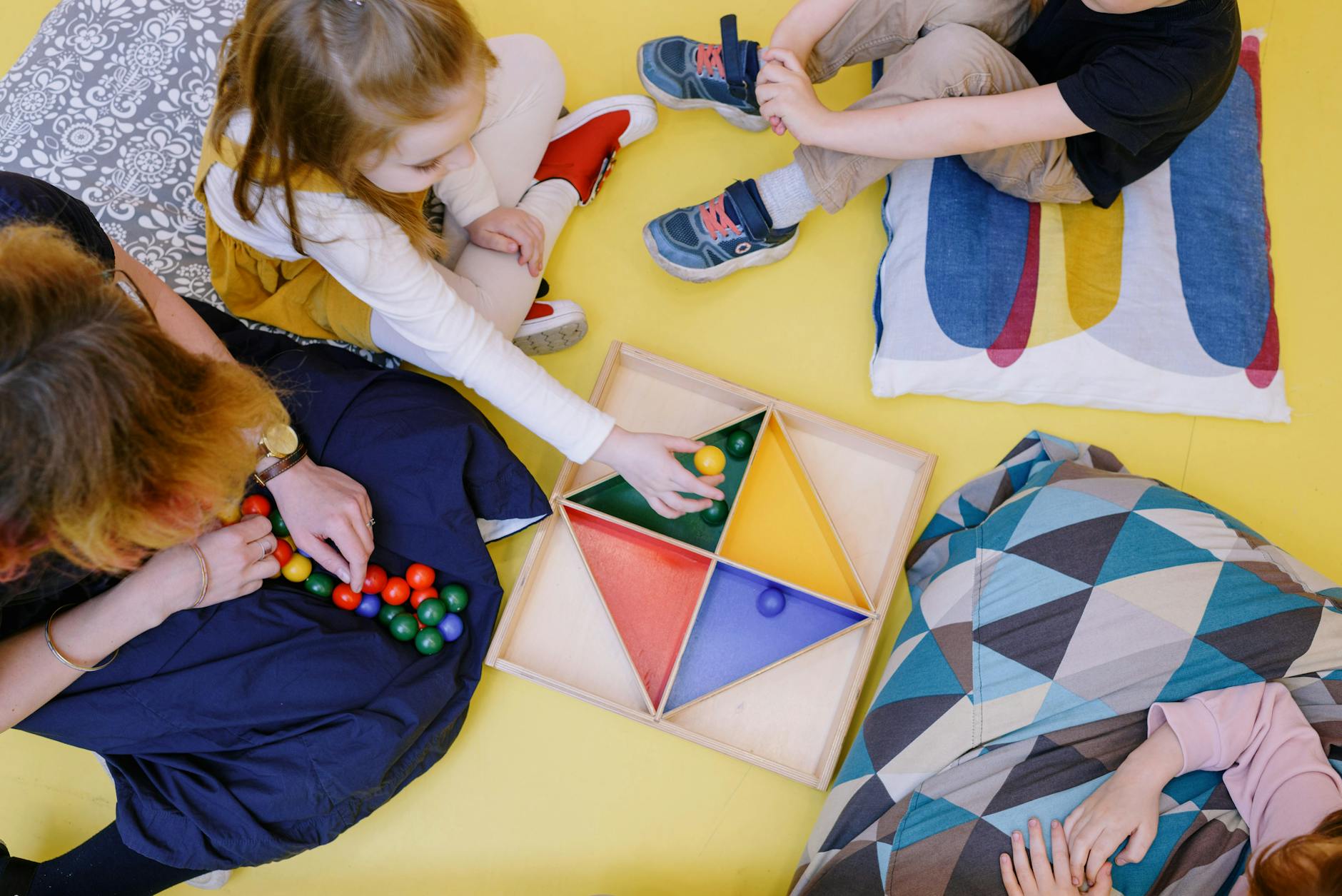
Childcare Design Basics
In Melbourne, where sustainability shapes the very essence of our architectural marvels like Federation Square, understanding the foundational elements of child care courses can transform urban spaces into nurturing environments for the next generation. Integrating the concepts from a diploma in early childhood education not only informs design but also enriches our approach to creating dynamic and responsive environments for children. These courses emphasize the importance of developing spaces that cater to diverse developmental needs, including areas for play, learning, and rest.
Core Design Principles
Adopting sustainable design principles akin to those seen in the Royal Botanic Gardens can lead to more harmonious childcare spaces. It’s all about natural light, sustainable materials, and creating environments that echo the calm and balance of nature. These principles not only foster developmental growth but also ensure that spaces remain flexible to accommodate the ever-changing needs of children.
Safety First in Design
Prioritizing safety is imperative, especially in spaces designed for children. Drawing parallels to the sturdy yet innovative designs found in urban developments around Southbank, ensuring compliance with safety regulations while maintaining an inviting and stimulating environment is crucial. Children's playgrounds and learning areas need careful planning to mitigate hazards while promoting freedom of movement and exploration.
Multi-Functional Spaces
Modern urban lifestyles demand multifunctional spaces that can adapt to various activities throughout the day. Utilising insights from a Certificate IV in Mental Health, these spaces should not only cater to educational needs but also consider mental well-being through calming designs and inclusive features. By focusing on versatility, childcare environments can better support caregivers and inspire creativity in children.
Impact on Urban Living
Enhancing Community Bonds
Urban living has evolved, integrating deeper community engagements that mirror the distinctive architectural styles of areas like Federation Square. These spaces are thoughtfully designed not only to accommodate but also to unite people. In this context, exploring community services courses can equip individuals with the knowledge and skills to foster stronger social connections within urban settings. The creation of communal gardens, shared childcare zones, and vibrant cultural hubs can draw inspiration from the Royal Botanic Gardens' sustainable design features. By encouraging collaboration and shared responsibilities, we can create environments where the fabric of community life is resilient and interconnected.
Promoting Work-Life Balance
With the fast-paced nature of urban living, achieving a harmonious work-life balance becomes crucial. Initiatives like urban developments in Southbank emphasize the importance of multi-use spaces that accommodate both professional and personal pursuits. In this setting, aged care courses offer professionals seeking careers that not only support their livelihood but also fulfil a nurturing role within the community. This career path benefits from flexibility, aligning with broader urban design principles that support varied lifestyle needs through thoughtfully integrated spaces that blend work, leisure, and family life.
Boosting Local Economies
Childcare and community facilities play a pivotal role in driving local economies, enhancing the vibrancy of neighbourhoods. By seamlessly integrating these facilities with retail and hospitality zones, a thriving economic ecosystem can emerge. Aged care online courses equip professionals with the necessary tools and understanding to respond to the increasing demand within this sector. Through strategic planning and sustainable practices, urban areas can achieve economic growth, ensuring that these spaces are not just functional but also valuable economic contributors.
Innovations from Childcare Design
Flexible Housing Solutions
The versatility of childcare design can inspire transformative ideas in housing. Imagine spaces that adapt as effortlessly as the playful designs in kindergartens. This concept can lead to homes that seamlessly integrate with the urban developments in Southbank, enriching the lives of residents with dynamic and adaptable environments. By borrowing inspiration from aged care courses online, innovative housing can cater to any age group by fostering comfort and accessibility. These solutions offer more than flexibility—they craft environments that evolve with the occupants, actively responding to shifting needs and seasons.
Eco-Friendly Materials
Incorporating eco-friendly materials into design is much like weaving sustainability into the very fabric of a space. By selecting these materials, we echo the sustainable design features found in the Royal Botanic Gardens. The fusion of modern aesthetics with materials that respect the environment not only echoes the rhythms of nature but also strengthens our commitment to sustainability. This approach serves as a foundation for those pursuing mental health courses, bringing a holistic appreciation of wellness to design and education alike. Such materials enable spaces that resonate with those who inhabit them, mirroring the progressive ethos of urban professionals committed to sustainable living.
Inclusive Accessibility Features
Childcare design fosters inclusivity, a principle that echoes throughout Melbourne's architectural landscape, particularly in the Federation Square architectural styles. Similarly, designing accessible environments can revolutionise how we perceive and interact with urban spaces. Features like interoperability, ease of use, and intuitive navigation become vital in creating spaces that cater to everyone, regardless of ability. By embedding these elements, we ensure our builds don't merely accommodate but genuinely invite, enhancing the urban environment and nurturing a diverse, thriving community.
Implementation Tactics
Involving Local Governments
Implementing childcare design innovations requires strategic collaboration with local governments. Engaging local authorities can facilitate smoother approvals and offer access to funding opportunities. By focusing on harmonising your project with existing urban developments, you can align your initiatives with broader city planning goals. Learning from local landmarks such as the architectural styles of Federation Square can exemplify how to integrate modern design with sustainability.
Collaborating with Experts
Partnerships with field experts, architects, and educators can significantly enhance the effectiveness of your childcare design projects. Professionals with qualifications like cert 3 in individual support or cert 3 childcare bring valuable perspectives that guide the creation of spaces tailored to various needs. Engaging experts in the design process not only ensures a more cohesive outcome but also supports the functional and educational aspects vital in childcare environments.
Pilot Projects and Feedback
Before launching a full-scale implementation, developing pilot projects can provide practical insights and highlight areas for improvement. Small-scale projects allow for controlled experimentation in design and operational strategies, offering a firsthand understanding of what works best in real-world settings. Collecting feedback from parents, children, and staff involved in these pilot schemes will provide a wealth of information to fine-tune your designs. Iterative feedback loops ensure the spaces meet the educational and support needs envisaged, much like the thoughtful sustainability insights reflected in the Royal Botanic Gardens' design features.
By observing these steps, implementations can be tailored to not only address immediate childcare needs but also contribute positively to the sustainability of modern urban lifestyles.
Challenges and Solutions
Budget Solution Frameworks
Navigating budget constraints in childcare design isn't just a numbers game; it’s about creative problem-solving. Just like the Federation Square architectural styles, which harmoniously blend aesthetics with functionality, innovative approaches can balance beauty on a budget. Utilising pre-fabricated materials, for instance, not only cuts costs but also speeds up construction timelines. Exploring funding partnerships can be impactful—bringing together local businesses and philanthropic organisations to share in the vision of a community-centric childcare centre.
Urban Policy Integration
Aligning with urban policies requires a strategic blend of compliance and creativity. Consider the sustainable design features of the Royal Botanic Gardens; they embody the harmonious integration within established regulations while pushing boundaries. Regular consultations with urban planners ensure that design proposals fit seamlessly into larger city blueprints. Embedding adaptable design features in the plans not only enhances versatility but also garners policy support by showcasing commitment to long-term urban development.
Community Connection Tactics
Genuine community engagement transforms projects from mere structures to vibrant community hubs. Drawing inspiration from urban developments in Southbank, fostering active participation in the design process is key. This might involve organising workshops, brainstorming sessions, or even using social media polls to gather community input. Embedding feedback loops ensures that community voices drive decisions, resulting in a space that feels owned by those it serves. Such proactive involvement guarantees not only community acceptance but immersion, offering a model for future urban planning endeavours.